

The Importance and Challenges of Chiller Systems in Buildings
Chiller systems are critical core equipment for the HVAC systems of large buildings, including commercial office buildings, tech manufacturing facilities, data centers, and logistics centers. Their operational performance directly impacts both indoor environmental comfort and overall energy consumption. However, traditional maintenance approaches are largely reactive, meaning repairs are only carried out after a failure has already occurred. This model not only incurs high maintenance costs but can also lead to extended downtime, significantly disrupting the building’s normal operations.
How Smart Diagnostics Enhances Chiller System Performance
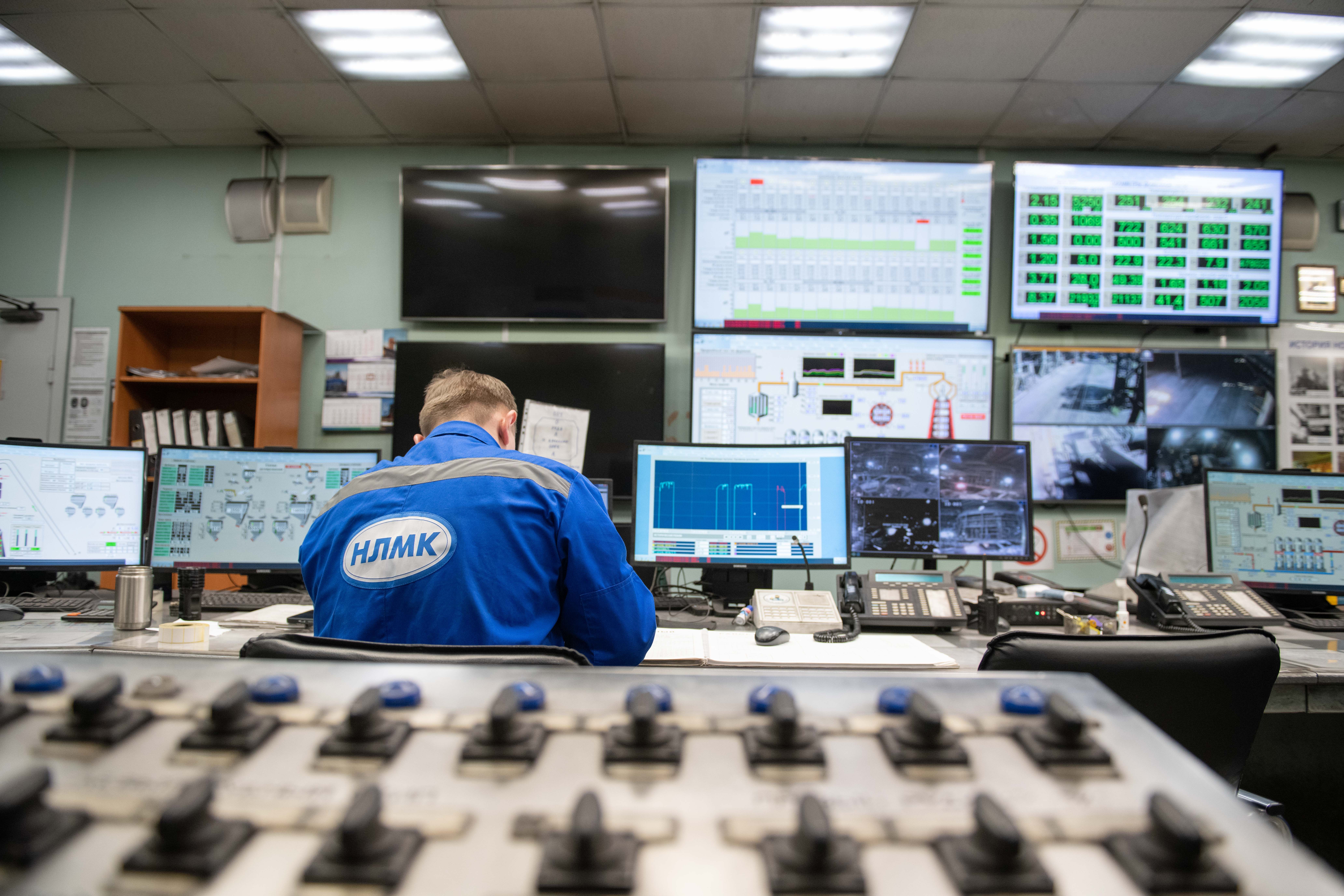
Smart diagnostics technology utilizes Internet of Things (IoT) sensors to collect real-time operational data from chiller systems, such as temperature, pressure, flow rate, and current. This data is uploaded to a cloud platform, where AI algorithms perform deep learning and analysis to predict potential failure risks, abnormal operating patterns, or signs of performance degradation in advance. With these predictions, facility managers can proactively implement preventive maintenance measures, thereby avoiding sudden equipment breakdowns and significantly reducing the frequency and costs associated with emergency repairs.
Four Tangible Benefits of Smart Diagnostics
Implementing a smart diagnostics system for chiller units not only enhances equipment reliability but also delivers significant energy efficiency benefits and cost savings:
- Increased Operational Efficiency: Smart diagnostics precisely identifies potential issues affecting chiller system performance, such as refrigerant leaks, clogged piping, or compressor malfunctions, and provides optimization recommendations to ensure the system operates at peak efficiency. Industry studies generally show that optimized chiller systems can achieve 5–15% in electricity savings.
- Extended Equipment Lifespan: Through continuous monitoring and preventive maintenance, equipment wear and tear are reduced, and excessive operation is avoided. This extends the chiller system’s operational lifespan, thereby delaying capital investment in equipment replacement.
- Reduced Maintenance Costs: Transitioning from reactive to preventive maintenance reduces emergency repair expenses, spare parts inventory costs, and optimizes maintenance staffing. Overall maintenance costs can be reduced by 20–30%.
- Enhanced Energy Efficiency: The system automatically analyzes historical data to pinpoint potential sources of energy waste and offers energy-saving recommendations. Most cases suggest that chiller systems incorporating smart diagnostics achieve a 5–10% improvement in energy efficiency ratios (EER/COP), directly translating into reduced electricity bills.
Success Story: Energy Savings at a Large Commercial Office Building
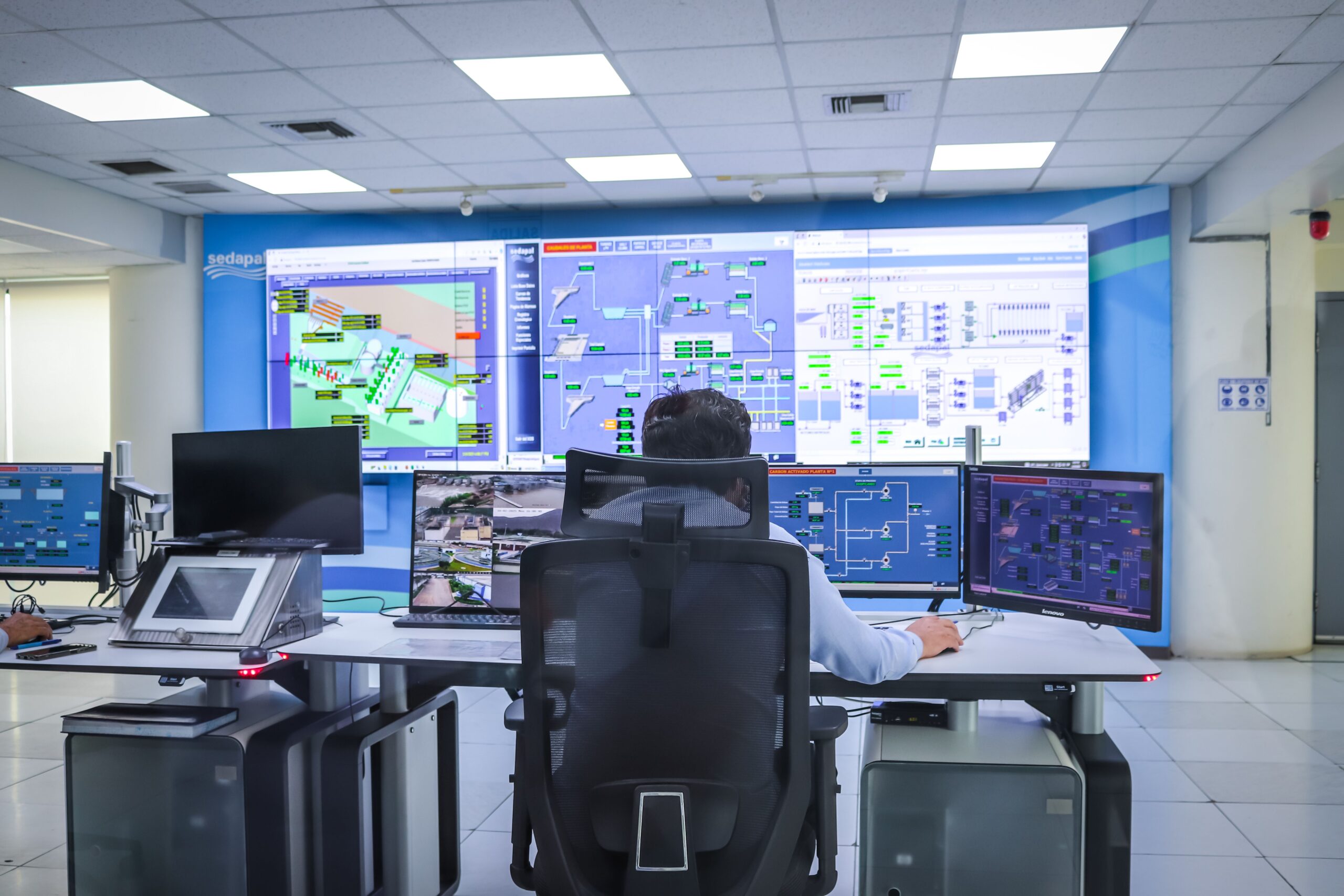
A large commercial office building located in a metropolitan area previously suffered from severe energy consumption in its HVAC system due to aging chiller units, leading to persistently high electricity costs. After implementing a smart diagnostics system, the system immediately identified several issues impacting operational efficiency. These included suboptimal parameter settings for the cooling water pumps, chilled water pumps failing to shut down during light loads, and insufficient refrigerant charge. Following the system’s recommendations and adjustments made by facility managers, the building’s chiller system achieved over 10% in electricity savings within six months. This significantly reduced monthly electricity expenses while also improving indoor environmental comfort. The estimated payback period for this smart diagnostics system is approximately 2–3 years.
Implementing a smart diagnostics system for chiller units represents a crucial step for building owners and facility managers towards smart buildings and sustainable development. It not only enables effective energy consumption management and reduces operating costs but also enhances equipment reliability, making a tangible contribution to the building’s long-term value. Take action now to empower your building to confidently meet future challenges.