

What is AI-Powered Energy Management?
AI-powered energy management (SEM) involves leveraging technologies such as the Internet of Things (IoT), Big Data Analytics, and Artificial Intelligence (AI) to continuously monitor, analyze, and optimize energy consumption within buildings. This approach not only enhances energy efficiency and reduces operating costs but also significantly contributes to achieving sustainable development goals.
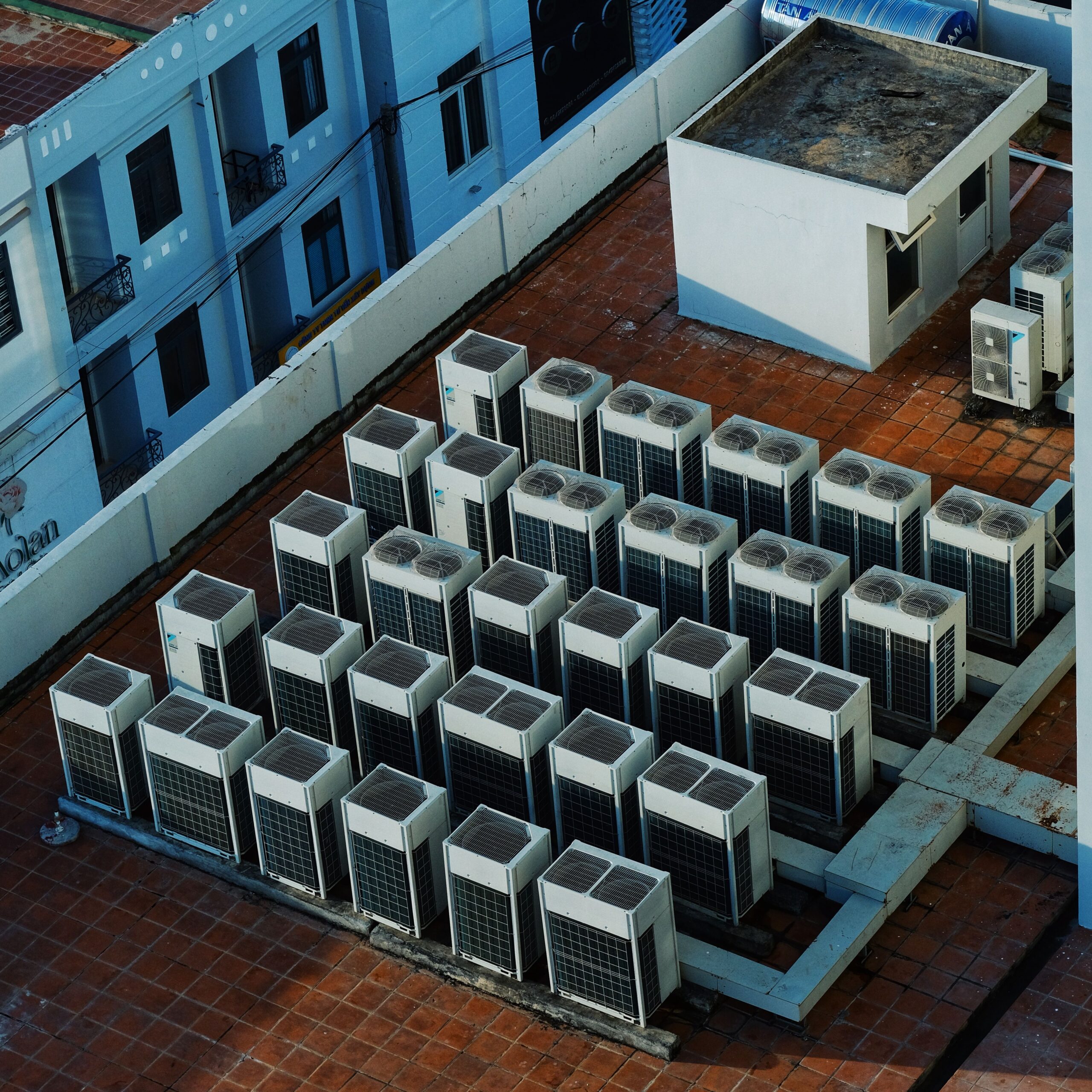
In the past, building energy management relied on manual inspections and periodic meter readings, which were time-consuming, labor-intensive, and often failed to detect energy waste in real-time. An AI-powered energy management system, however, automatically collects comprehensive energy consumption data—including water, electricity, gas, and HVAC—and utilizes AI technology to predict consumption trends and diagnose anomalies. This empowers facility managers to quickly implement corrective measures, thereby significantly boosting management efficiency and energy efficiency benefits.
How AI-Powered Energy Management Boosts Building Energy Efficiency
- Real-time Monitoring and Visualization: The system consolidates all energy data onto a single platform, presenting it through intuitive visual charts. This gives managers a clear, at-a-glance understanding of energy flow and consumption patterns.
- Anomaly Detection and Diagnostics: AI algorithms analyze data to automatically identify anomalous energy consumption patterns (e.g., HVAC systems left running after hours, abnormally high equipment loads). The system proactively issues alerts, helping facility managers resolve issues promptly.
- Predictive Maintenance: By analyzing equipment operational data, the system predicts potential malfunctions, enabling proactive maintenance. This minimizes energy waste and operational disruptions caused by unexpected shutdowns.
- Automated Control and Optimization: Based on factors such as indoor and outdoor environmental conditions, occupancy changes, and historical data, AI automatically adjusts the operating modes of equipment like HVAC and lighting. This ensures optimal comfort while minimizing energy consumption. For instance, in chiller system optimization, AI can instantaneously calculate the ideal chilled water supply temperature and operational combination, ensuring the chilled water system operates at peak efficiency.
Assessing the Energy Efficiency Benefits of AI-Powered Energy Management
The most immediate benefit after implementing AI-powered energy management is the reduction in energy costs. Generally, buildings can achieve energy savings of 10% to 30% through these systems, with a typical payback period of 2 to 5 years. When evaluating energy efficiency benefits, you can consider the following aspects:
- Baseline Energy Consumption Comparison: Compare actual energy consumption after system implementation with historical data from before the system was installed to calculate the energy savings rate.
- Equipment Operational Efficiency Analysis: For high-energy-consuming equipment like chiller systems and pumps, analyze metrics such as operating hours, load factors, and performance coefficients (COP/EER) to assess the degree of efficiency improvement.
- Reduced Carbon Emissions: A decrease in energy consumption directly leads to lower carbon emissions. This is crucial for companies fulfilling their ESG (Environmental, Social, and Governance) commitments and also enhances their green corporate image.
Based on industry observation, a large commercial office building, after implementing an AI-powered energy management system, achieved an average monthly electricity cost saving of approximately 15%, with a particularly significant reduction in electricity consumption during peak hours. This represents not only cost savings but also a tangible contribution to environmental sustainability.
In conclusion, AI-powered energy management is more than just a technological upgrade; it is a pivotal strategy for buildings to achieve green, efficient, and sustainable operations. For facility managers and building owners, thoroughly understanding and effectively utilizing these tools will be a vital path to enhancing building competitiveness in the future.