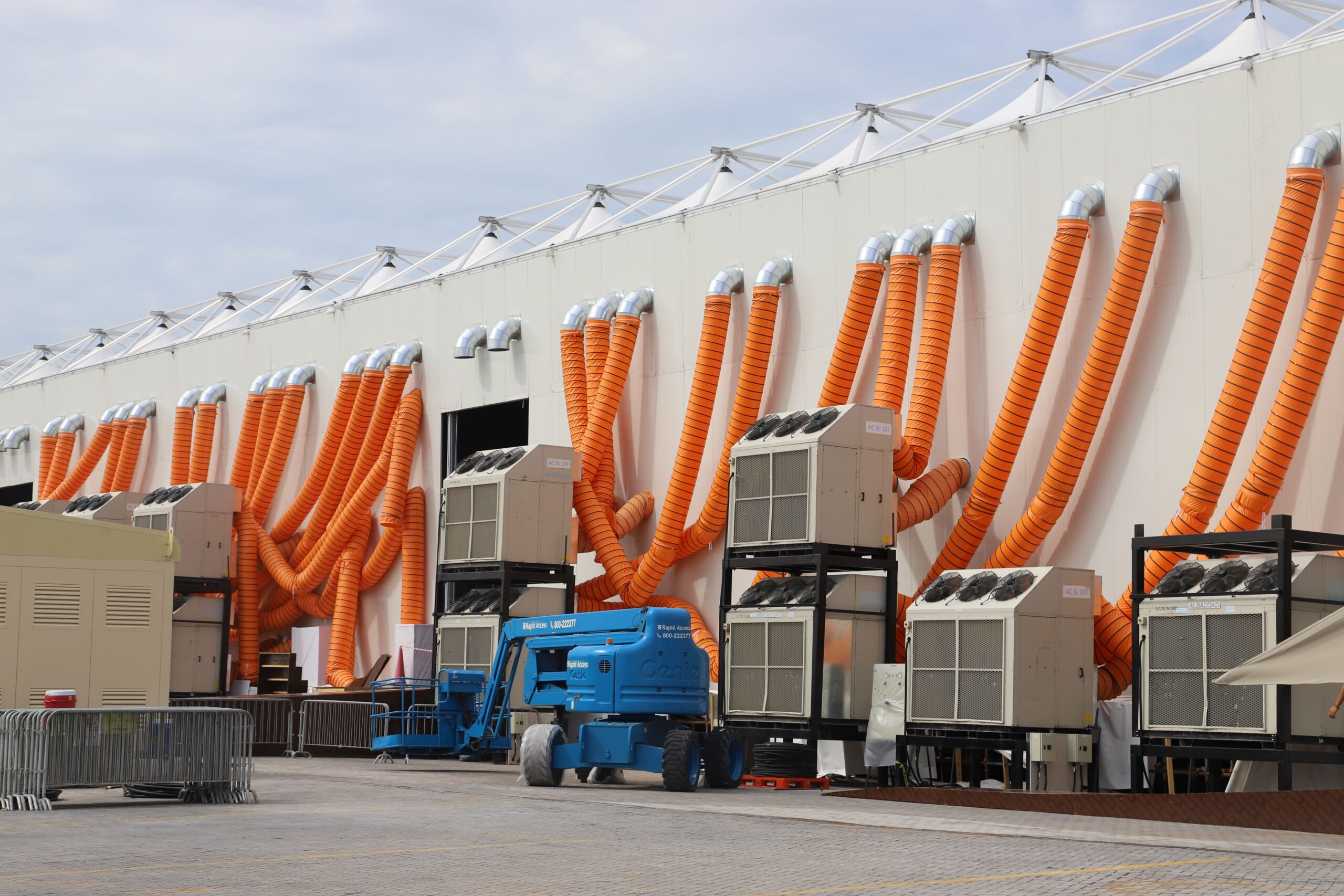

Chiller systems are one of the primary sources of energy consumption in large buildings, particularly in commercial office buildings, tech manufacturing facilities, and logistics centers. Effectively managing and reducing the energy consumption of chiller systems has always been a significant challenge for building owners and facility managers. In recent years, the emergence of “smart diagnostics” technology has offered an innovative solution to this challenge. It not only significantly boosts energy efficiency but also extends equipment lifespan, thereby helping to achieve sustainable building goals.
What is Smart Diagnostics?
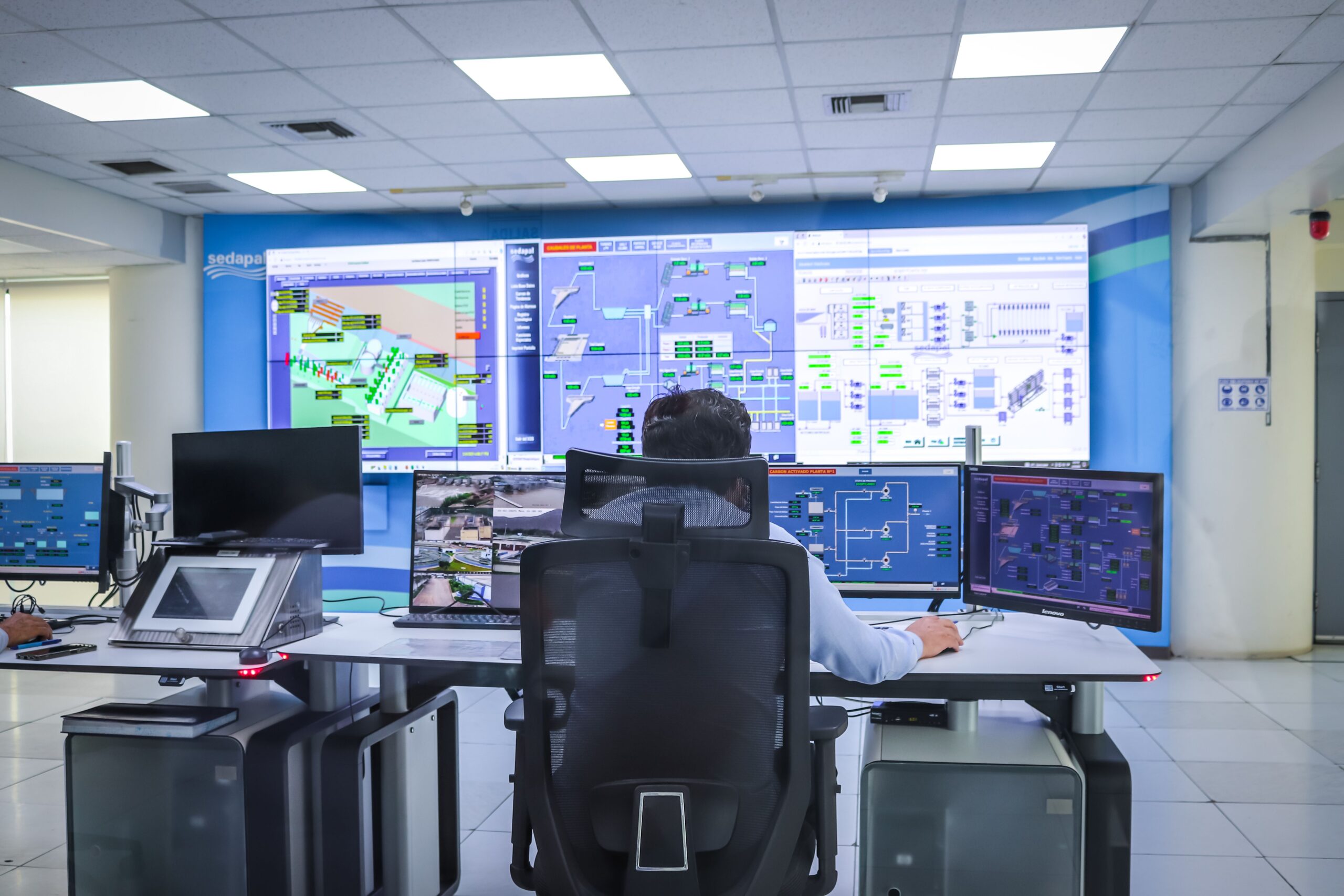
Smart diagnostics technology leverages Internet of Things (IoT) sensors, big data analytics, and artificial intelligence (AI) to continuously monitor and analyze real-time operational data from chiller systems. This data includes critical indicators such as temperature, pressure, flow rate, electrical current, and vibration. Through sophisticated AI algorithms, the system can identify potential fault patterns, predict equipment performance degradation, and provide precise maintenance recommendations.
Traditional maintenance approaches are often reactive or time-based, which can lead to inefficient operation before a breakdown or costly downtime due to unexpected failures. In contrast, smart diagnostics offers a proactive and predictive maintenance strategy, ensuring that chiller systems consistently operate at their optimal performance levels.
How Does Smart Diagnostics Deliver Exceptional Energy Efficiency Benefits?
The energy efficiency benefits that smart diagnostics brings to chiller systems are evident on multiple levels:
- Proactive Predictive Maintenance: Through real-time monitoring and predictive analytics, smart diagnostics can issue alerts before potential issues escalate into serious failures. For instance, detecting and addressing problems like refrigerant leaks, condenser fouling, or abnormal motor vibrations early can prevent a significant drop in equipment efficiency.
- Optimized Operational Efficiency: AI algorithms not only diagnose problems but also recommend optimal operating parameter settings based on historical data and current environmental conditions. This includes adjustments to factors such as chilled water temperature and compressor speed, ensuring the chiller system produces the required cooling capacity with minimal energy consumption.
- Extended Equipment Lifespan: Precise predictive maintenance reduces wear and tear on equipment and mitigates sudden breakdowns, effectively extending the overall service life of the chiller system and lowering replacement costs and associated energy consumption.
Industry studies generally show that chiller systems integrating smart diagnostics technology can save up to 10% to 30% in energy costs, with a payback period typically falling within 1-3 years. Additionally, it can extend equipment lifespan by approximately 15% to 25%. These figures clearly demonstrate the immense potential of smart diagnostics in terms of energy saving, carbon reduction, and lowering operational costs.
Application Cases and Future Outlook
After implementing a smart diagnostics system, a large commercial office building successfully reduced its annual chiller system energy consumption by 18% and prevented two potential shutdowns caused by cooling tower pump failures. Facility managers reported that the system’s real-time alerts and maintenance recommendations allowed them to schedule maintenance tasks more efficiently, significantly enhancing operational stability.
As AI and IoT technologies continue to advance, the precision and scope of smart diagnostics applications will undoubtedly expand. In the future, it will not be limited to diagnosing individual pieces of equipment; it is likely to integrate with comprehensive smart energy management platforms. This integration will enable collaborative optimization across various building systems, providing building owners with more holistic and intelligent energy solutions, thereby accelerating the achievement of sustainable net-zero emission goals.