

In today’s pursuit of sustainable development and operational efficiency, energy management in commercial office buildings has become an undeniable priority. Among the building’s primary energy-consuming equipment, the chiller system’s operational efficiency directly impacts overall energy costs. However, many older chilled water systems often suffer from aging equipment and subtle, hard-to-detect operational abnormalities, leading to unrecognized “invisible energy waste.” By implementing an AI-powered energy management system, particularly through smart diagnostics for chiller systems, facilities can not only precisely identify these hidden energy drains but also significantly boost energy efficiency, marking a new milestone towards smart buildings.
The Challenge of Chiller Systems in Commercial Office Buildings: Unpacking “Invisible Energy Waste”
Chiller systems in commercial office buildings are complex, comprising numerous components such as the chillers themselves, cooling towers, chilled water pumps, and condenser water pumps. Their operational performance can fluctuate over time due to factors like environmental conditions and operating modes. When equipment gradually ages, experiences minor wear and tear, or has improper control logic, its performance slowly declines. The extra energy consumed by these “abnormally normal operations” is what we refer to as “invisible energy waste.” Because these inefficiencies lack clear fault alerts, facility managers often find them difficult to detect. Yet, day after day, they erode operational profits and shorten equipment lifespan.

Potential Hotbeds of Invisible Energy Waste in Chiller Systems
- Suboptimal Cooling Tower Heat Dissipation Efficiency: Buildup of scale or algae, or degraded performance of fans and pumps, can lead to excessively high condenser water temperatures, increasing the load on the chiller.
- Decreased Heat Exchange Efficiency: Fouling or blockage within the evaporators or condensers can impede the heat exchange between the refrigerant and water.
- Deviation from Chiller’s Optimal Operating Point: Under partial load conditions, the chiller may not operate at its designed peak efficiency, leading to increased compressor energy consumption.
- Flaws in Multi-Chiller Group Control Logic: When multiple chiller units operate in parallel, poor group control logic can result in frequent starts and stops or uneven load distribution, consequently reducing overall system efficiency.
AI-Powered Smart Diagnostics for Chiller Systems: The Key to Uncovering Invisible Energy Waste
An AI-powered energy management system collects various operational data from chiller systems—including temperature, pressure, flow rate, and current—via sensors, and then performs in-depth analysis using AI algorithms. The advantage of this smart diagnostic approach is its ability to precisely identify even minute anomalies in the data. Even subtle changes that are imperceptible to the human eye can be quickly flagged by AI as potential energy waste issues. The system not only provides real-time alerts but also offers concrete improvement recommendations, helping facility managers conduct precise maintenance and optimize operational strategies to fundamentally eliminate invisible energy waste.
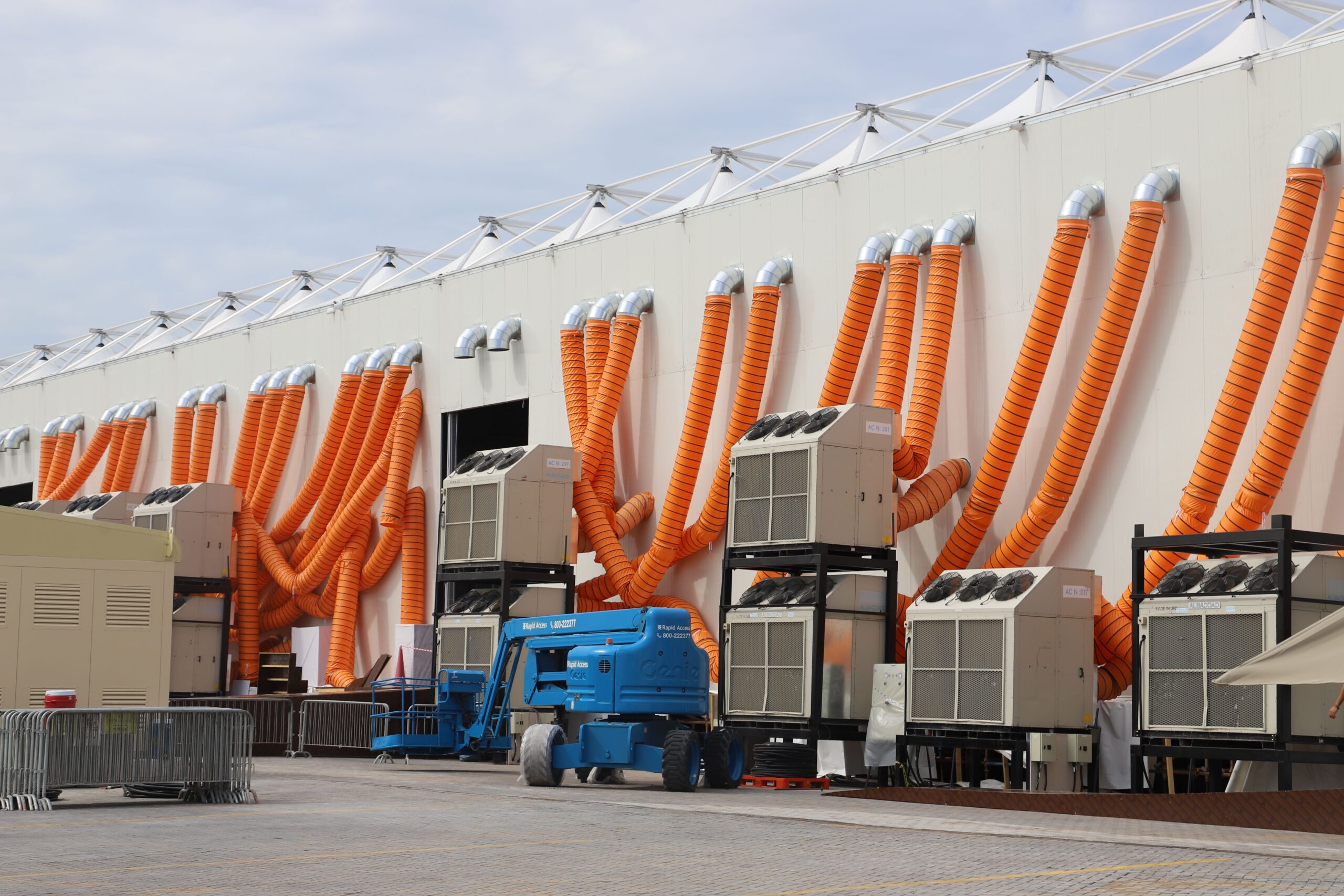
A real-world case study involved a large commercial office building that, after implementing AI-powered smart diagnostics for its chiller system, successfully uncovered multiple sources of invisible energy waste. These included reduced heat exchange efficiency due to condenser fouling, aging cooling tower fans, and design flaws in the chiller group control logic. Through these precise diagnoses and subsequent improvements, the building not only achieved significantly enhanced air conditioning stability but also realized energy savings as high as 10-20%, while extending equipment lifespan and markedly reducing operational costs. AI-powered smart diagnostics are proving to be a crucial driver for commercial office buildings to improve energy efficiency and move towards sustainable operations.