

Data Monitoring: The Foundation of Smart Energy Management Systems
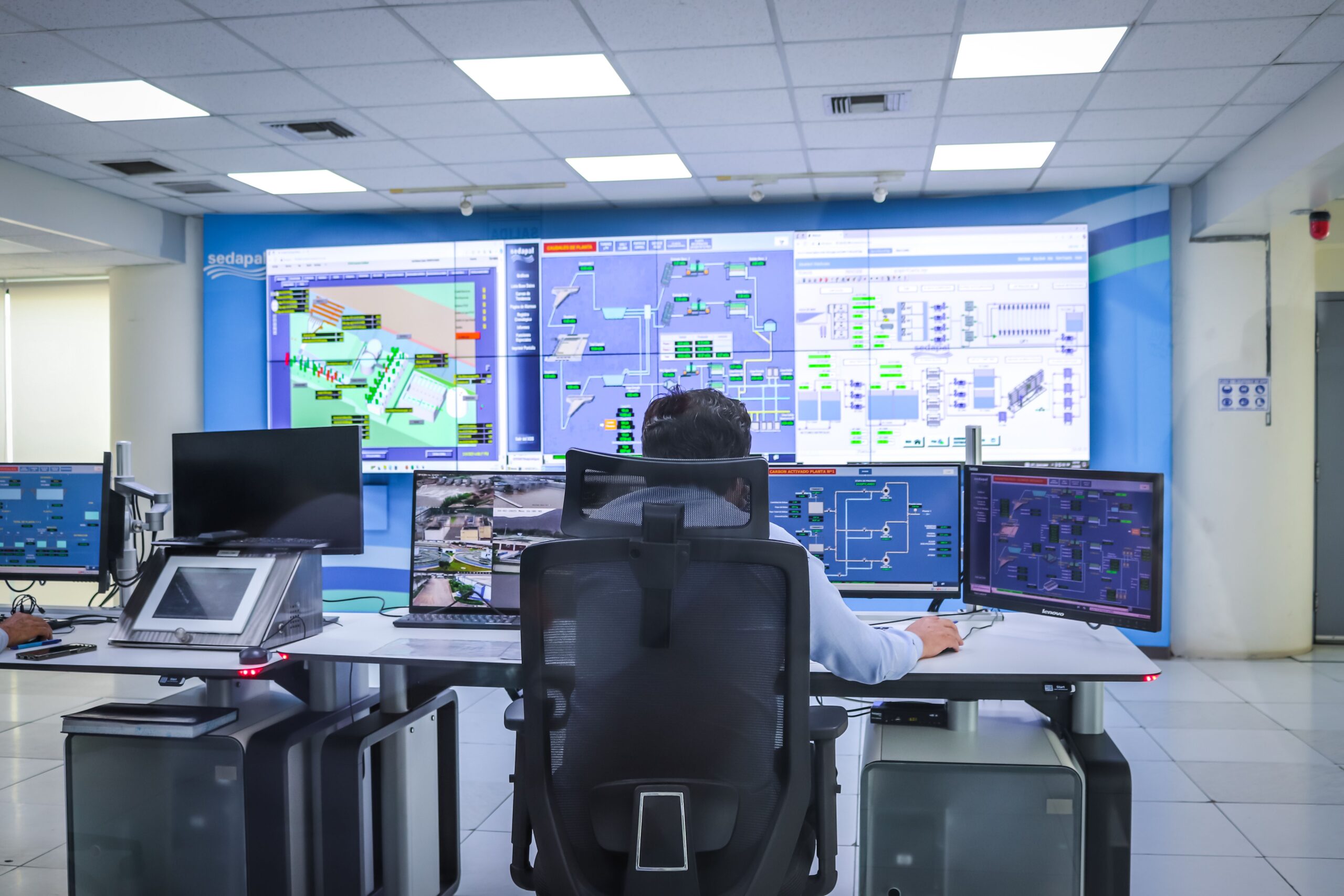
The implementation of a smart energy management system is fundamentally built upon its robust data monitoring capabilities. The system collects real-time data from various equipment within the building, especially high-energy consumers like chiller systems, air handling units (AHUs), and air compressors. This data includes electricity consumption, temperature, humidity, and pressure. All collected information is then visually presented, allowing facility managers to quickly grasp overall energy consumption patterns and promptly detect anomalies. For instance, after a large commercial office building implemented the system, its dashboard revealed an abnormal spike in air conditioning power consumption on a specific floor. Investigation showed that a faulty temperature sensor in that area was causing the AC to continuously over-operate. Prompt detection and repair successfully prevented unnecessary energy waste and associated costs.
Smart Diagnostics: Uncovering Energy Saving Potential from Data
Building upon the foundation of data monitoring, a smart energy management system further employs advanced algorithms for in-depth data analysis, performing what is known as smart diagnostics. In this crucial stage, the system automatically compares current operating data against historical benchmarks, equipment performance curves, and real-time environmental parameters. This rigorous analysis helps identify potential operational issues and pinpoint significant opportunities for energy efficiency improvement. For example, the system automatically evaluates the Coefficient of Performance (COP) of chiller systems and compares it against original factory design values or industry averages. A significant discrepancy triggers an immediate alert, indicating a potential performance issue. Similarly, the system can analyze the supply and return air temperatures of terminal HVAC units, detecting subtle problems such as air short-circuiting or refrigerant leaks that might otherwise go unnoticed. Through these sophisticated smart diagnostics, facility managers can fundamentally shift their approach from reactive troubleshooting to proactive, preventive maintenance, precisely identifying critical opportunities for significant energy savings. Industry studies generally show that implementing smart diagnostic functions can, on average, improve overall equipment energy efficiency by 5–15%.
Optimized Control: Maximizing Energy Efficiency Benefits
Finally, a smart energy management system applies its powerful data analysis and diagnostic capabilities to real-time optimized control—a critical and ultimate stage for maximizing energy efficiency benefits. The system dynamically adjusts equipment operating parameters, taking into account predefined energy-saving strategies, current weather forecasts, anticipated indoor load changes, and other relevant factors. For instance, it automatically fine-tunes the chilled water supply temperature of the chiller system, modulates the variable frequency drive (VFD) speed of cooling water pumps, or precisely controls the supply air volume of air handling units. In most cases, this intelligent optimized control can lead to an additional 10–20% in energy savings, often achieved without the need to replace existing equipment. For example, after a tech manufacturing facility implemented this system, AI-powered optimized control successfully reduced the overall HVAC system’s electricity consumption by approximately 18%. This not only significantly improved operating costs but also enhanced the facility’s sustainable image. These three interconnected stages collectively form a comprehensive and highly efficient closed-loop smart energy management system, designed to empower building owners and facility managers in achieving exceptional energy-saving goals.