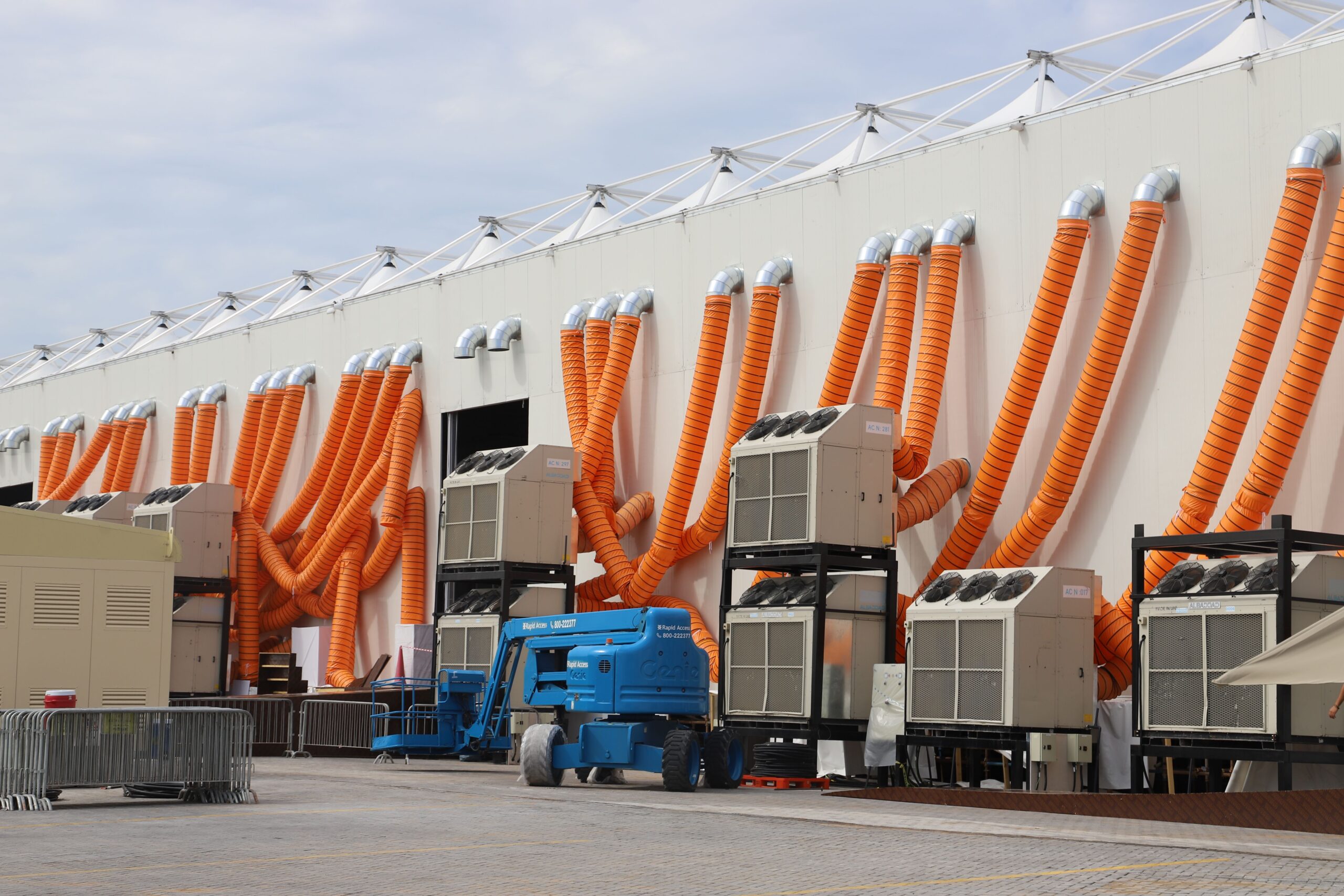

Chiller systems are the heart of a building’s air conditioning, consuming a substantial portion of a commercial facility’s energy. However, their complex operational mechanisms often lead to challenges such as high energy consumption, frequent maintenance issues, and shortened equipment lifespans. Traditional reactive maintenance approaches often result in unexpected downtime and increased costs. This is where smart diagnostics for chiller systems come into play, offering a groundbreaking solution.
Smart Diagnostics: The “Preventative Medicine” for Chiller Systems
Imagine your chiller system having a dedicated doctor that constantly monitors its health, detects potential issues before they become critical, and even recommends ways to improve its performance. This is essentially what smart diagnostics offer. By deploying a network of sensors, these systems collect vast amounts of operational data in real time, including temperature, pressure, flow rates, and energy consumption.
This data is then fed into advanced AI and machine learning algorithms. These algorithms can identify subtle anomalies and patterns that human operators might miss, accurately predicting potential component failures or operational inefficiencies. This proactive approach transforms chiller maintenance from reactive repairs to predictive interventions, significantly reducing the risk of unexpected breakdowns and optimizing overall system reliability.
Core Functions and Energy Efficiency Benefits of Smart Diagnostics
Smart diagnostics for chiller systems integrate several critical functions that contribute to enhanced energy efficiency and operational excellence:
- Anomaly Detection and Fault Prediction: Real-time monitoring combined with AI analysis allows for the early detection of abnormal conditions, such as unusual vibrations, abnormal current draws, or refrigerant leaks. The system can provide precise warnings about component-level issues, enabling facility managers to schedule maintenance proactively before a minor problem escalates into a major failure.
- Operational Optimization: Smart diagnostic systems analyze chiller performance under varying load conditions, environmental factors, and occupancy patterns. They can identify operational inefficiencies and recommend adjustments to parameters such as chilled water setpoints, condenser water flow, and compressor staging. This dynamic optimization ensures the chiller system operates at its peak energy efficiency, adapting to real-time demands and external conditions.
- Equipment Lifespan Management: By ensuring optimal operation and preventing critical failures, smart diagnostics reduce wear and tear on components. This extends the operational lifespan of the entire chiller system, pushing back the need for costly replacements. Moreover, optimized maintenance cycles based on actual equipment condition further contribute to extending asset life and minimizing total cost of ownership.

Ultimately, smart diagnostics deliver a comprehensive optimization solution that translates into significant energy savings, extended asset life, improved operational reliability, and reduced maintenance costs.
Widespread Application Scenarios for Smart Diagnostics
The benefits of smart diagnostics extend across a diverse range of facilities that rely heavily on robust and efficient chiller systems. These include:
- Commercial office buildings
- Tech manufacturing facilities
- Logistics centers
- Data centers
- Hospitals
These sectors typically share characteristics such as high energy demands, critical operational stability requirements, and complex HVAC infrastructures. For such facilities, adopting smart diagnostics is not just about energy savings; it’s about ensuring uninterrupted operations, maintaining competitive advantage, and achieving ambitious sustainability goals.
For building owners and facility managers, integrating smart diagnostics into their chiller systems represents a strategic investment. It ensures the longevity of critical assets, optimizes energy consumption, and provides unparalleled operational stability, paving the way for truly smart and sustainable buildings.