

Smart Diagnostics for Chiller Systems
In today’s era, driven by the pursuit of sustainability and energy efficiency, chiller systems represent a significant portion of energy consumption in large buildings such as commercial office buildings, tech manufacturing facilities, and logistics centers. Their operational efficiency directly influences a building’s overall operating costs and environmental footprint. Traditionally, chiller system maintenance has primarily relied on periodic inspections, which often miss potential efficiency anomalies, leading to considerable energy waste.
To address these challenges, smart diagnostics technology has emerged. By leveraging real-time monitoring, big data analytics, and AI algorithms, it precisely evaluates the operational status of chiller systems and provides optimized recommendations. This empowers facility managers and building owners to achieve high energy efficiency.
How Do Smart Diagnostics Improve Chiller System Energy Efficiency?
The core of smart diagnostics lies in its ability to continuously monitor various operational parameters of a chiller system, including chilled water inlet and outlet temperatures, refrigerant pressure, current, and frequency. This data is transmitted to a cloud platform, where AI models perform deep learning and analysis to swiftly identify abnormal equipment patterns and potential performance degradation.
Compared to traditional maintenance approaches, smart diagnostics can provide early warnings for issues such as refrigerant leaks, compressor anomalies, or condenser fouling. If these problems are not addressed promptly, they can significantly reduce the chiller system’s energy efficiency and even shorten its operational lifespan.
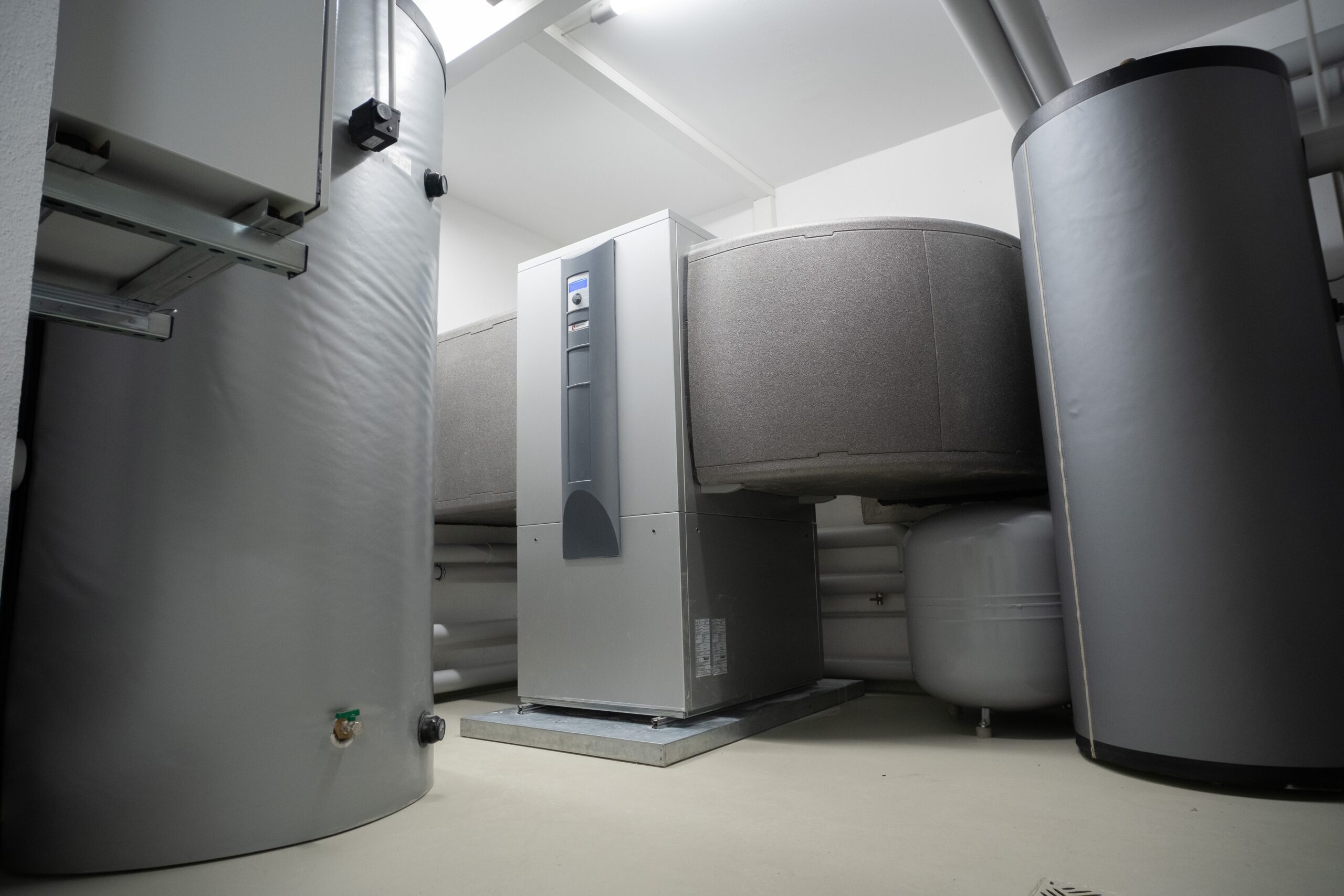
Based on industry observation, optimizing chiller systems through smart diagnostics can bring about average energy savings of 10-20%. Furthermore, by predicting and preventing unexpected failures, it effectively reduces downtime and maintenance costs.
Additional Benefits of Smart Diagnostics
- Reduced Operating Costs: Beyond direct energy savings, preventive maintenance minimizes the need for emergency repairs and associated expenses.
- Extended Equipment Lifespan: Timely detection and resolution of potential problems prevent minor issues from escalating into major malfunctions, helping maintain equipment health and extend its service life.
- Enhanced Environmental Sustainability: Reducing energy consumption directly lowers carbon emissions, aligning with corporate sustainability goals.
- Data-Driven Decision Making: Facility managers can make more precise operational and maintenance decisions based on objective data.
Who Can Benefit from Smart Diagnostics?
All buildings equipped with large-scale chiller systems, including commercial office buildings, tech manufacturing facilities, logistics centers, and data centers, can achieve significant benefits from smart diagnostics. This is particularly true for owners and management teams focused on reducing operating costs, improving energy utilization efficiency, and responding to sustainability initiatives.
Implementing smart diagnostics is not merely an upgrade to equipment; it’s an investment in future operational models. It will be a key enabler for realizing green and highly efficient buildings.