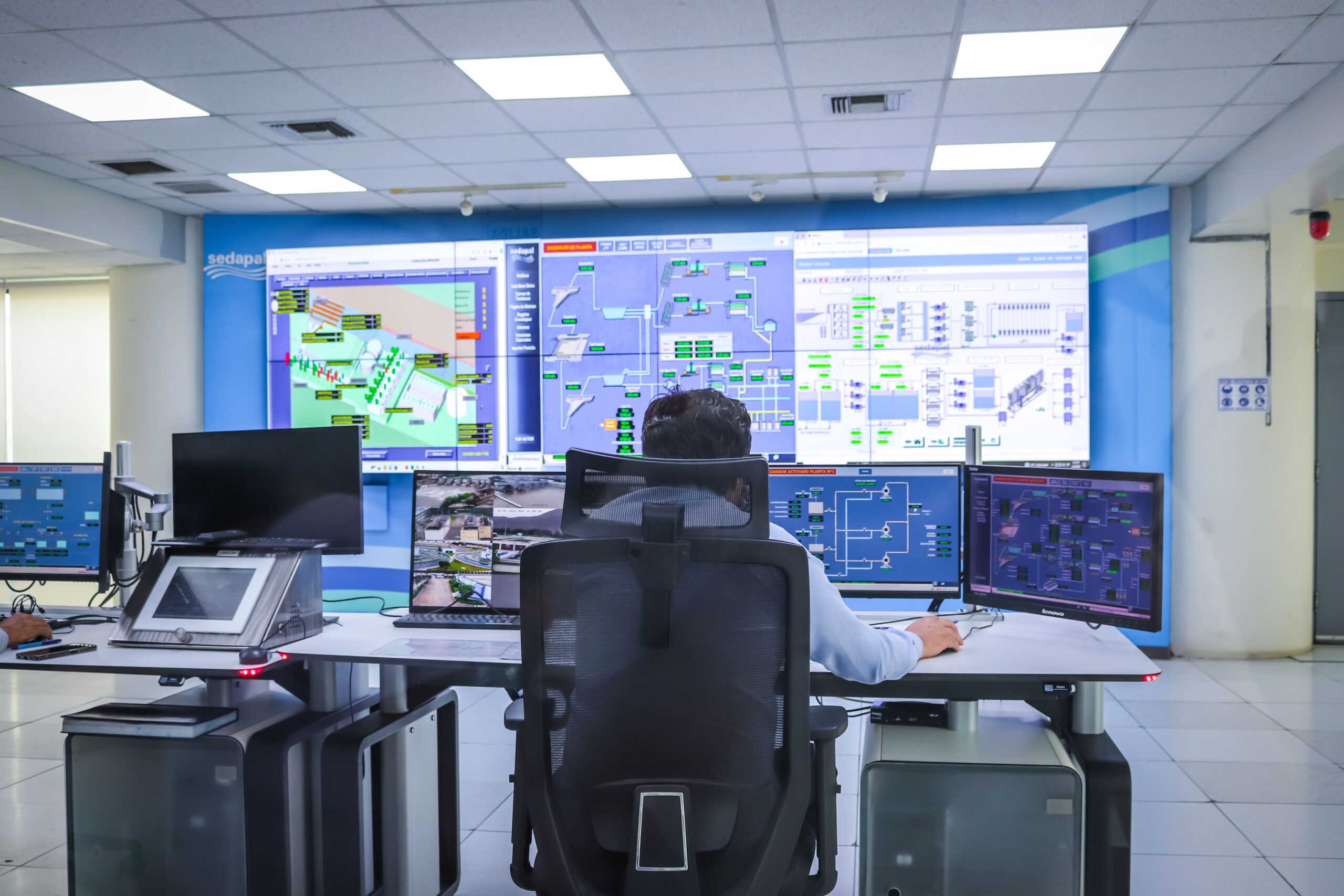

Smart Energy Management Systems: Transitioning from Reactive to Predictive Maintenance
Traditional equipment maintenance often relies on periodic inspections and troubleshooting. While this “reactive maintenance” approach ensures that equipment is repaired when issues arise, it frequently leads to operational disruptions, increased maintenance costs, and a shortened equipment lifespan due to sudden breakdowns.
With the advancement of technologies such as the Internet of Things (IoT) and Artificial Intelligence (AI), smart energy management is no longer limited to mere energy data monitoring. Instead, it can leverage more precise data analytics to achieve “predictive maintenance.”
Smart energy management systems can collect and analyze diverse data in real time, including energy consumption and equipment operating status. When processed by AI models, this data can detect potential equipment anomalies and even predict the timing of future failures. For instance, after a large commercial office building implemented smart energy management, the system detected an abnormal rise in the operating current of its chiller system and issued an early warning. Facility managers were able to conduct timely inspections and repairs, preventing a sudden chiller breakdown during peak hours, which saved hundreds of thousands of dollars in maintenance costs and avoided operational losses.

Maximizing Integrated Benefits: Smart Energy Management and Facility Maintenance Strategies
Integrating smart energy management with facility maintenance strategies brings numerous benefits to businesses:
- Precise Monitoring and Diagnostics: Through smart sensors and AI algorithms, equipment operating conditions are monitored in real time, precisely identifying potential faults and significantly reducing the risk of unplanned downtime.
- Optimized Maintenance Scheduling: The system can automatically recommend optimal maintenance times based on actual equipment operation and predictive analysis. This shifts maintenance from a reactive approach to proactive planning, effectively extending equipment lifespan.
- Reduced Operating Costs: Businesses can avoid expensive emergency repair costs and downtime losses caused by sudden breakdowns. Concurrently, by optimizing equipment operation, energy consumption is reduced, achieving dual energy efficiency benefits.
- Improved Facility Management Efficiency: Facility managers are freed from tedious routine inspections, allowing them to dedicate their time to more strategic maintenance planning and problem-solving, thereby significantly enhancing work efficiency.
- Extended Equipment Lifespan: Early detection and resolution of potential equipment issues prevent minor problems from escalating into major failures, effectively extending the lifecycle of critical equipment such as HVAC systems and chiller systems.
By viewing smart energy management as a holistic solution, it not only helps businesses achieve energy savings goals but also penetrates to the core of facility operations, enhancing overall asset value.
Moving Towards Sustainability and Smart Operations: An Inevitable Business Trend
Under the dual pressures of global climate change and fluctuating energy prices, businesses are facing increasing demands for energy efficiency and equipment reliability. The integration of smart energy management and facility maintenance offers an effective pathway to address these challenges.
By implementing advanced smart energy management systems, businesses can achieve significant energy efficiency benefits, reduce carbon emissions, and improve ESG performance. Furthermore, they can optimize equipment operating conditions and maintenance strategies, ensuring continuity of production and services, and creating long-term competitive advantages. This represents not merely a technological upgrade but a crucial step for businesses moving towards sustainable operations and enhancing their core competitiveness.