

Chiller Systems: A Primary Driver of Building Energy Consumption
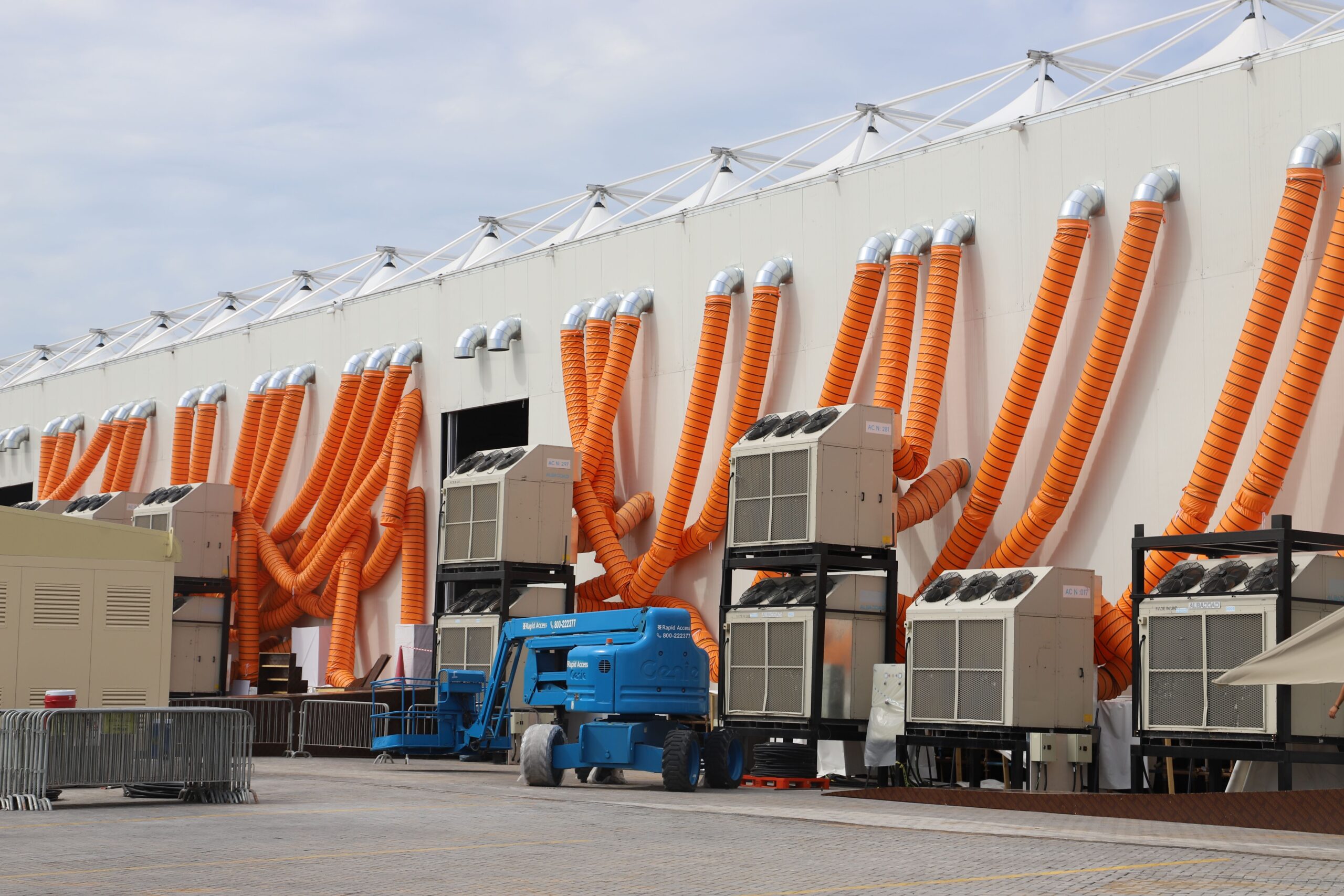
In modern buildings, especially large facilities like commercial office buildings, tech manufacturing facilities, and data centers, chiller systems are indispensable core equipment for maintaining comfortable indoor temperatures and optimal production environments. However, they are also one of the largest energy consumers within a building, with their energy consumption typically accounting for 30% to 50% of the total building energy consumption, and sometimes even higher in certain cases. Therefore, the operational efficiency of chiller systems directly impacts the energy costs and carbon emissions of the entire building. Effectively improving chiller system energy efficiency has thus become a key focus for building owners and facility managers.
Challenges and Limitations of Traditional Maintenance Models
In the past, chiller system maintenance primarily relied on scheduled servicing or reactive troubleshooting. While scheduled maintenance could maintain basic operation, it often failed to detect potential issues in a timely manner due to fixed inspection routines. Reactive troubleshooting, on the other hand, is a passive approach; equipment breakdown and downtime not only disrupt production and lead to operational losses but can also result in expensive emergency repair costs and even shorten equipment lifespan.
This traditional maintenance model, lacking real-time data insights and predictive capabilities, makes it difficult to accurately assess equipment health or intervene before issues escalate. Faced with increasingly stringent energy management challenges and sustainability goals, building owners and facility managers require smarter, more efficient solutions.
Chiller System Smart Diagnostics: A New Paradigm for Preventive Maintenance
Thanks to advancements in AI artificial intelligence, the Internet of Things (IoT), and big data technologies, chiller system smart diagnostics have emerged, bringing revolutionary changes to building energy management. This technology involves deploying sensors to collect various real-time operational data from chiller systems, such as chilled water inlet/outlet temperatures, refrigerant pressure, and compressor current.
Subsequently, this vast amount of data is uploaded to a cloud platform, where AI algorithms perform deep analysis and pattern recognition. A smart diagnostic system is capable of:
- Real-time Monitoring and Anomaly Detection: Continuously monitors equipment operating status 24/7, instantly issuing alerts if data deviates from normal ranges or if abnormal patterns emerge.
- Fault Prediction and Prevention: Predicts potential failure risks based on data trends and historical records – for instance, compressor wear, refrigerant leaks, or heat exchanger fouling – and suggests proactive maintenance measures.
- Energy Efficiency Optimization Recommendations: Analyzes operating data and environmental conditions to provide recommendations for optimal operating parameters, such as setpoint adjustments and best start-stop strategies, to maximize energy efficiency benefits.
- Intelligent Maintenance Scheduling: Shifts from reactive to predictive maintenance, allowing for precise maintenance plans based on equipment health status and prediction results, thereby avoiding unnecessary downtime and costs.
Significant Energy Efficiency Benefits and Payback Period
Implementing chiller system smart diagnostic technology not only enhances equipment reliability but also delivers significant energy efficiency benefits and a quick payback period:
- Average Energy Savings of 10-30%: Most cases suggest that by optimizing operating strategies through smart diagnostic systems, the energy consumption of building chiller systems can be reduced by 10% to 30%, leading to substantial electricity cost savings.
- Reduced Failure Rates and Maintenance Costs: Preventive maintenance effectively lowers equipment failure rates, reduces expensive emergency repair costs, and extends equipment lifespan.
- Shortened Payback Period: Generally speaking, due to the energy efficiency benefits and reduced maintenance costs, the payback period for implementing smart diagnostic technology typically falls within 1 to 3 years.
- Improved Operational Efficiency and Comfort: Reduces unexpected downtime, ensuring stable building operation while maintaining indoor environmental comfort and enhancing user satisfaction.
- Alignment with Sustainability Goals: Lowers carbon emissions and energy consumption, helping buildings meet green building standards and corporate ESG (Environmental, Social, and Governance) objectives.
Overall, chiller system smart diagnostic technology is not merely an innovation in equipment maintenance but also a crucial strategy for achieving sustainable building development and AI-powered energy management. For building owners and facility managers striving for efficient, low-carbon operations, this technology undoubtedly represents a future trend worth serious consideration and adoption.