

Understanding Chiller System Operations and Challenges
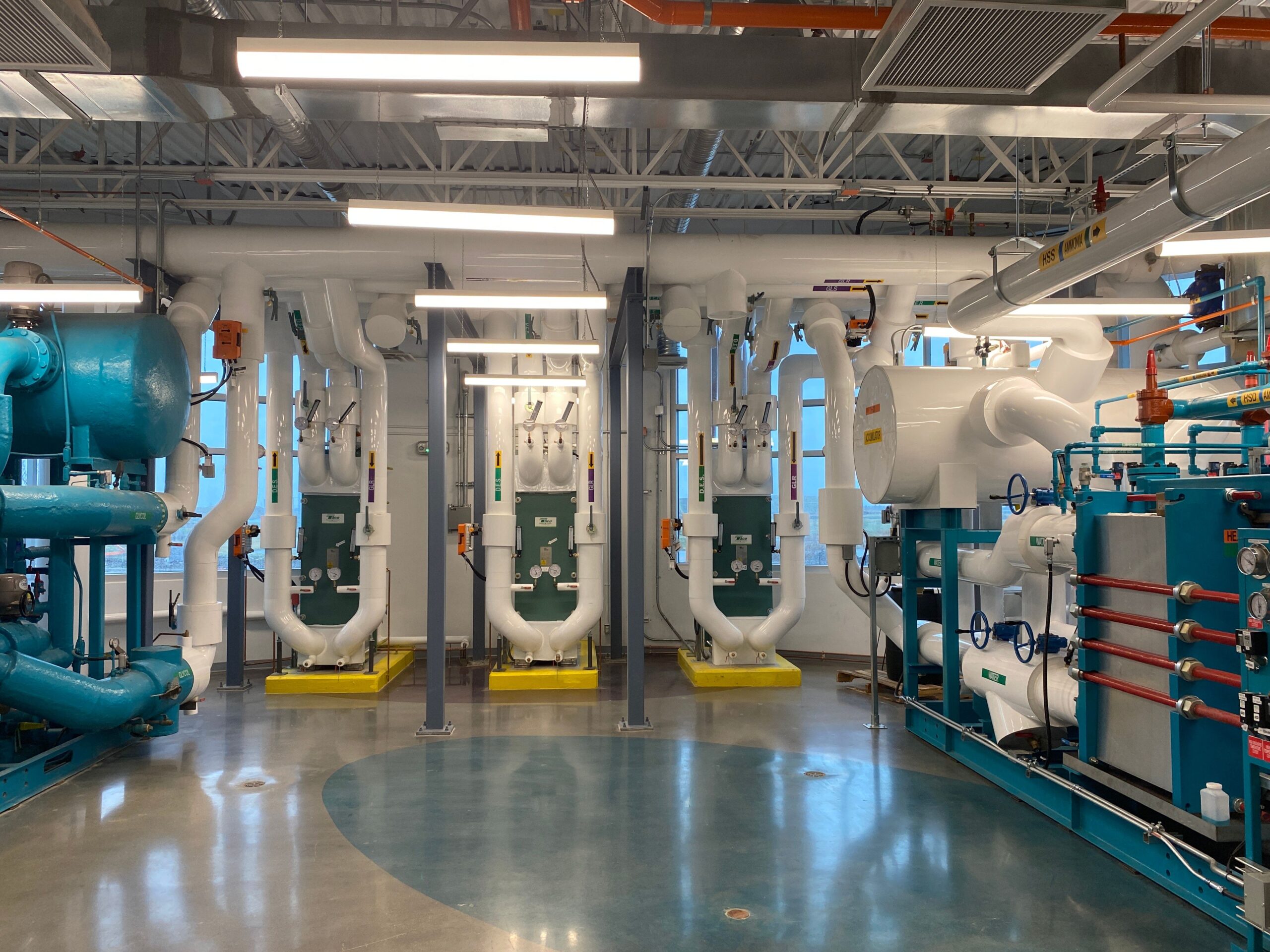
In many large buildings, the chiller system is central to air conditioning, responsible for providing chilled water to maintain comfortable indoor temperatures. These systems are widely used in commercial office buildings, tech manufacturing facilities, logistics centers, and similar venues to ensure the stable operation of both occupants and equipment. However, chiller systems are also among the most energy-intensive equipment in a building, with their energy consumption typically accounting for 30% to 50% or even more of total electricity usage. Under traditional operating models, the efficiency of chiller systems is often limited by various factors, such as:
- Weather Fluctuations: Drastic changes in external factors like outdoor temperature and humidity directly impact the system’s cooling load.
- Internal Load Variations: Changes in building occupancy levels and equipment operating status lead to unstable internal heat sources.
- Equipment Aging and Inadequate Maintenance: Prolonged operation causes equipment performance to degrade, and improper maintenance further reduces efficiency.
- Human Operational Limitations: Traditional manual control modes rely on the operator’s experience, making optimal adjustments difficult to achieve.
These challenges not only increase operational costs but also place a significant burden on the environment. Consequently, pursuing more efficient and smarter chiller system optimization strategies has become crucial for the building industry’s efforts in energy conservation and carbon reduction.
Key Elements of Smart Chiller System Optimization Strategies
With the rapid advancements in Artificial Intelligence (AI) and the Internet of Things (IoT), smart chiller system optimization strategies have emerged, bringing unprecedented energy-saving potential to the building industry. The core of this strategy lies in elevating the chiller system’s operational efficiency to its optimal state through data-driven decisions and automated control. Its key elements include:
- Advanced Sensor Networks: Deploying high-precision sensors for temperature, humidity, flow, pressure, and other parameters to monitor real-time operational data across all segments of the chiller system. This data forms the foundation for smart optimization, providing precise input for subsequent analysis.
- Data Analytics and Machine Learning: The vast amount of collected data is processed through data analytics platforms, and machine learning algorithms are utilized to build predictive models. These models can accurately forecast building cooling demands, trends in equipment performance changes, and even potential fault risks.
- AI-Powered Algorithms and Real-time Control: Based on the data analysis results, AI algorithms intelligently generate optimized control strategies, such as adjusting chiller operating modes, pump speeds, and cooling tower fan volumes. These strategies are executed in real-time by automated control systems, ensuring the system consistently operates at its peak efficiency point.
- Energy Management Platform Integration: Integrating the smart chiller optimization system with a central energy management platform enables building-wide energy visualization and unified management. Facility managers can leverage the platform to instantly access energy consumption data, equipment status, and energy efficiency reports, facilitating more informed decision-making.
Through the synergistic action of these key elements, smart chiller system optimization strategies can maximize system operational performance, leading to significant energy efficiency benefits.
Benefits of Implementing Smart Chiller System Optimization Strategies
Implementing smart chiller system optimization strategies can not only significantly reduce building operating costs but also bring multiple long-term values to businesses. The primary benefits include:
- Significant Energy Efficiency Benefits: Through precise prediction and control, smart optimization systems can reduce chiller system energy consumption by 20% to 30% or even more. This translates into substantial annual electricity bill savings for businesses, greatly enhancing economic returns.
- Extended Equipment Lifespan: Smart algorithms optimize equipment operating modes, preventing excessive wear and tear while simultaneously maintaining efficiency. This not only reduces maintenance frequency but also effectively extends the lifespan of core equipment like chiller systems, thereby lowering long-term capital expenditures.
- Enhanced Operational Stability and Comfort: AI-powered algorithms can adjust system settings in real-time based on actual demand changes, ensuring stable cooling supply and preventing significant indoor temperature fluctuations, which in turn improves the comfort of building occupants. Concurrently, through predictive maintenance, the risk of unexpected breakdowns can be effectively reduced, guaranteeing continuous system operation.
- Alignment with Sustainable Development Goals: In a world increasingly focused on sustainability, reducing energy consumption is a crucial part of a company’s corporate social responsibility. Implementing smart chiller system optimization strategies not only helps reduce carbon emissions and enhances a company’s green image but also provides an advantage in areas like green building certifications, aligning with ESG (Environmental, Social, and Governance) trends.
In conclusion, smart chiller system optimization strategies are essential tools for modern buildings aiming to achieve energy savings, carbon reduction, and improved operational efficiency. For building owners and facility managers committed to sustainable development, this technology undoubtedly represents a significant and worthwhile investment.