
What Are Chiller System Smart Diagnostics?
In today’s era of pursuing energy efficiency and sustainable development, the demand for energy management in commercial office buildings is steadily increasing. Within this context, HVAC systems, particularly chiller systems, represent a significant source of building energy consumption. Based on industry observation, chiller systems can account for 30% to 50% of a commercial office building’s total energy consumption. Traditional maintenance approaches often involve addressing equipment issues only after a clear malfunction occurs, which not only misses the optimal maintenance window but also leads to wasted energy.
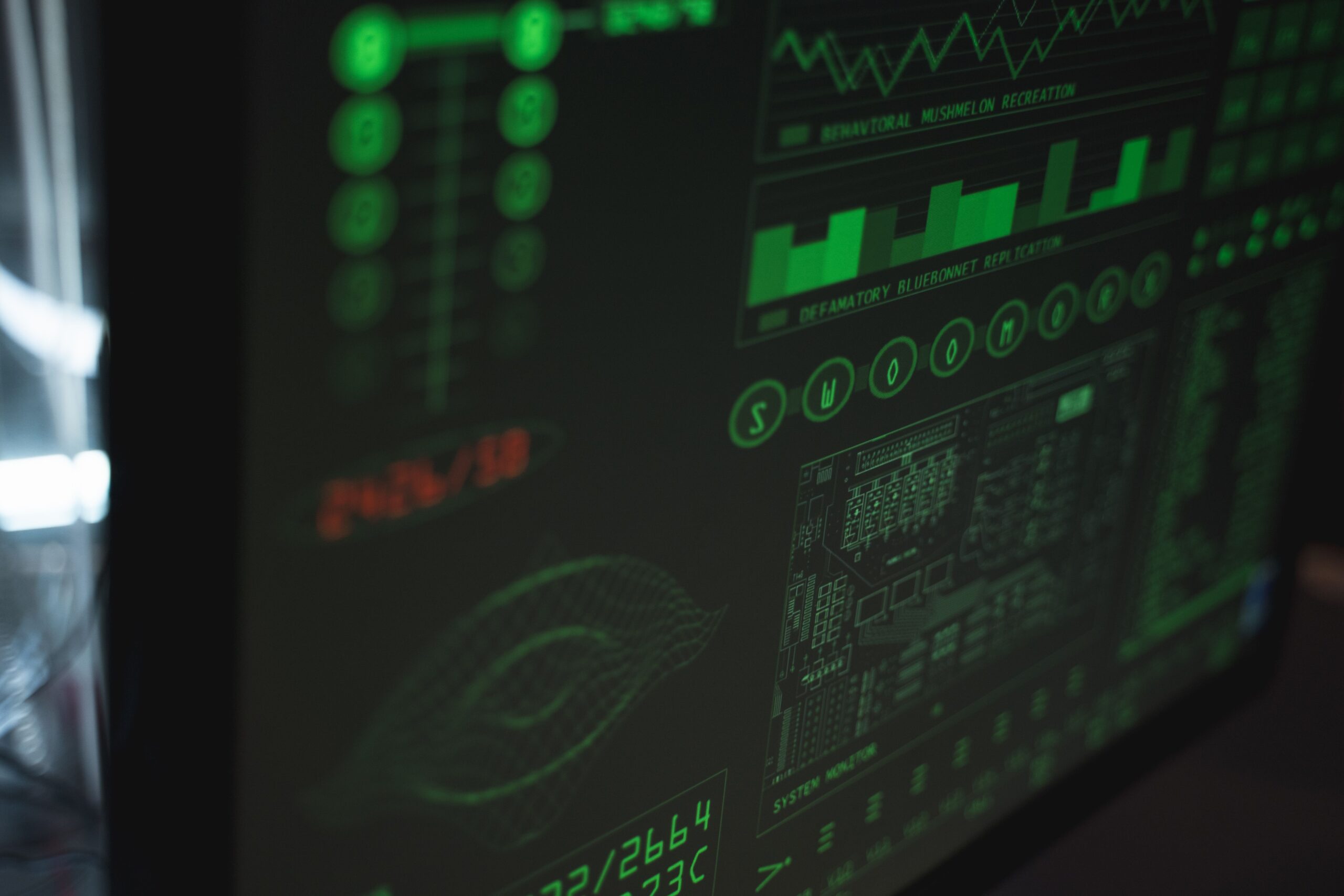
Chiller system smart diagnostics, on the other hand, represent a predictive maintenance approach based on data analytics and AI technology. This method collects real-time operational data from chiller systems—such as temperature, pressure, flow rate, and current—through sensors and analyzes this information using AI algorithms. These algorithms can identify subtle changes in equipment performance, predict potential failures, and even optimize operational strategies, thereby enhancing energy efficiency and extending equipment lifespan.
How Do Smart Diagnostics Achieve Energy Efficiency Optimization?
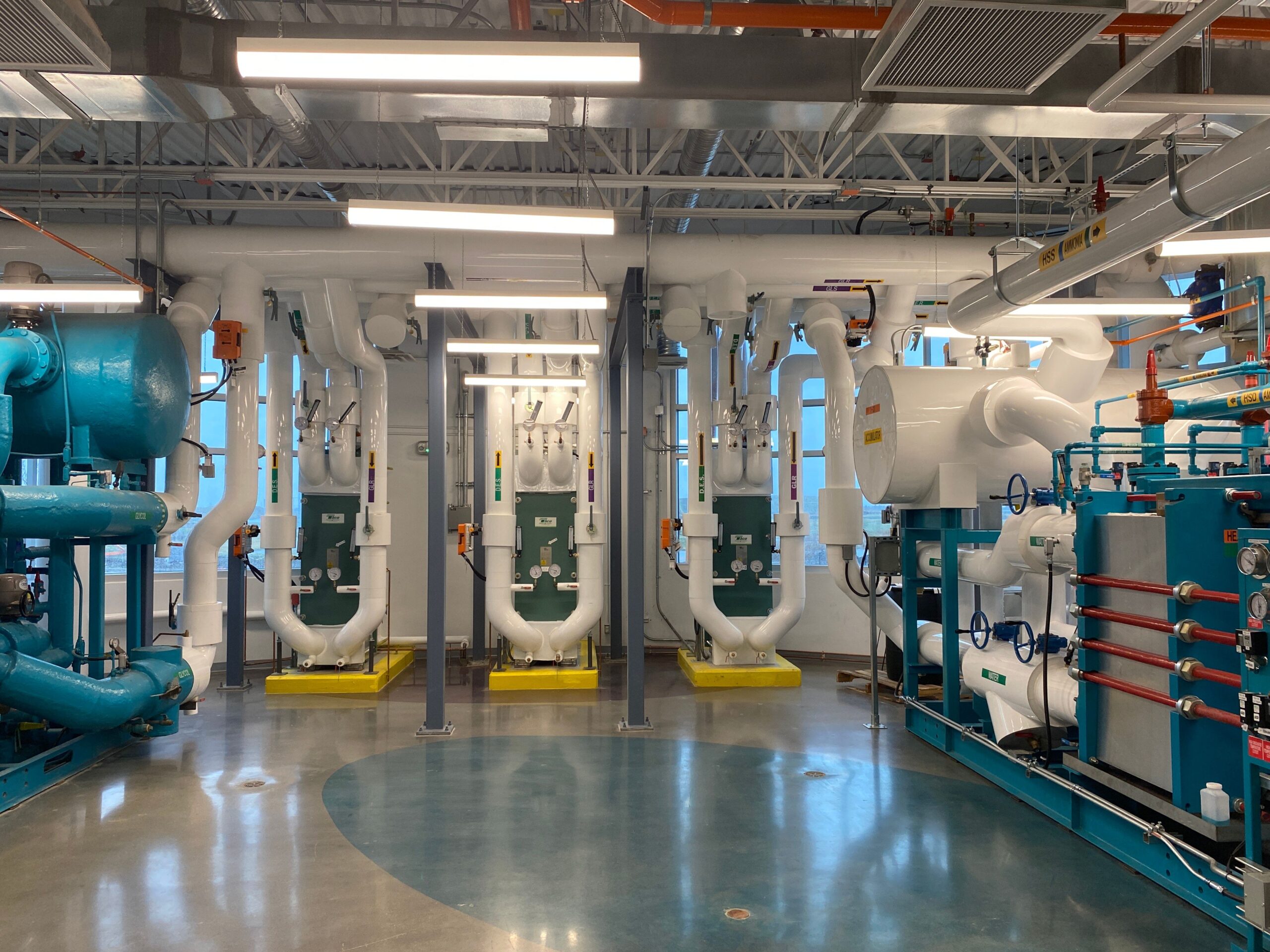
Chiller system smart diagnostics go beyond mere fault warnings; their deeper value lies in continuous energy efficiency optimization. By analyzing vast amounts of operational data, smart diagnostic systems can precisely determine the current operating efficiency of chiller systems. When the system detects a decline in efficiency or identifies potential areas for energy savings, it automatically issues alerts and provides optimization recommendations. These recommendations might include adjusting cooling water flow rates, optimizing compressor operating modes, or identifying issues such as heat exchanger fouling.
For example, after a large commercial office building implemented a smart diagnostic system, it discovered that its chiller system’s cooling water pump speed deviated from expected efficiency under specific load conditions. Following the system’s real-time recommendations, facility managers adjusted the pump control strategy, which led to an increase of approximately 5% to 10% in the chiller system’s COP (Coefficient of Performance). This improvement resulted in significant electricity cost savings for the building within one year.
Widespread Application and Future Trends of Smart Diagnostics
The application scope of chiller system smart diagnostics is expanding from individual equipment to entire chilled water systems, and even to the energy management of whole smart buildings. For commercial office building owners, implementing this technology not only yields significant energy efficiency benefits but also reduces downtime, lowers maintenance costs, and extends the lifespan of equipment assets, thereby enhancing the building’s overall operational efficiency and value.
As the Internet of Things (IoT) and AI technologies continue to mature, future smart diagnostic systems will become even more precise and automated. They will integrate deeply with Building Management Systems (BMS) to enable more sophisticated energy scheduling and control. This trend will not only help building owners achieve their sustainable development goals but also provide facility managers with powerful tools to tackle increasingly complex energy management challenges, driving the advancement of smart and sustainable buildings.